


Alcohol use disorder includes a level of drinking that’s sometimes called alcoholism. In conclusion, the euphoric stage of alcohol consumption is a direct result of dopamine and endorphin release, creating a pleasurable and relaxing experience. While this effect is transient, its neurochemical basis highlights both the allure and potential dangers of alcohol. By understanding this process, individuals can make informed choices, balancing enjoyment with caution to avoid the pitfalls of overconsumption. Drunkenness, which is officially known as intoxication, occurs when someone has consumed alcohol excessively. The process of being drunk consists of several stages, with an initial buzz being felt all the way to potentially dangerous levels of unconsciousness in the worst-case scenario.
The Four Levels of Being Drunk
This strategy not only enhances the experience but Drug rehabilitation also reduces the risk of overconsumption. Age, weight, gender, and metabolism play significant roles in how quickly an individual reaches this BAC range. Younger adults and those with lower body weight tend to experience euphoria at lower alcohol doses due to differences in body composition and enzyme activity. Women, on average, reach higher BAC levels faster than men when consuming the same amount of alcohol, primarily due to differences in body water content and metabolism. When an individual consumes alcohol, also known as ethanol, it is absorbed into the body’s bloodstream from the stomach and small intestine.
The Recovery Village
These physical changes demand immediate intervention to prevent irreversible damage. As blood alcohol concentration (BAC) increases, so does the effect of alcohol—as well as the risk of harm. Even small increases in BAC can decrease motor coordination, make a person feel sick, and cloud judgment. This can increase an individual’s risk of being injured from falls or car crashes, experiencing acts of violence, and engaging in unprotected or unintended sex. When BAC reaches high levels, blackouts (gaps in memory), loss of consciousness (passing out), and death can occur. When you drink alcohol, your whole body absorbs and feels the effects of it.
- There will always be some individuals who do not exhibit the expected behavioral impairment effects of ethanol, such as regular heavy drinkers and those suffering from an alcohol use disorder.
- Diagnosis is clinical or based on diagnosis of typical complications (eg,alcohol-related liver disease).
The Importance of Intervention and Support
Alcohol intoxication occurs when a person drinks an excess of alcohol in one period. Although people can safely consume alcohol without experiencing immediate adverse health effects, long term alcohol consumption can jeopardize overall health. Alcohol addiction is characterized by a physical and psychological need to drink. Frequent, uncontrolled alcohol abuse eventually leads to problem drinking. While any form of alcohol abuse is problematic, the term “problem drinker” refers to someone who starts experiencing the impacts of their habit. Drinkers leave the experimental stage when their alcohol consumption becomes more frequent.

What is Alcohol Withdrawal Like? What to Know About Symptoms
For example, a person who passed out after binge drinking might still be at risk if their last drink was less than two hours ago. Share this timeline with emergency services to help them assess whether the person is still in the danger zone for worsening symptoms or complications like choking on vomit. Slow or irregular breathing is another urgent symptom that demands immediate action. A healthy adult breathes 12 to 16 times per minute, but during alcohol poisoning, this rate can drop to fewer than 8 breaths per minute or become dangerously erratic.
Recovery Results
Every person is different, so there’s no way to know how much you can drink before you’re at risk of alcohol poisoning. Alcohol poisoning happens when excess alcohol in your bloodstream starts affecting life-supporting functions, like your breathing, heart rate and consciousness. Alcohol poisoning can be life-threatening and needs immediate medical care. The most dangerous stages are Stupor and Coma, where vital functions like breathing and heart rate are severely impaired, potentially leading to death. As individuals continue to drink alcohol over time, progressive changes may occur in the structure and function of their brains. These changes can compromise brain function and drive the transition from controlled, occasional use to chronic misuse, which can be difficult to control.

Understanding the five stages of being drunk can help individuals recognize when casual drinking crosses into dangerous territory. From feeling a light buzz to reaching the point of serious health risks, knowing these stages is key to identifying problematic drinking habits. On the other hand, low to moderate levels of alcohol consumption (≤ 1 to 2 drinks/day) may decrease the risk of death due to cardiovascular disorders (1). Numerous explanations, including increased high density lipoprotein (HDL) levels and a direct antithrombotic effect, have been suggested. Nonetheless, alcohol should not be recommended for this purpose, especially when there are several safer, more effective approaches to reduce cardiovascular risk.
- Celebrating at parties, cheering a favorite sports team, and enjoying get-togethers after work are common ways to relax or be with friends.
- What people may experience at different BAC levels can vary but here are some key points to know about the different stages of intoxication.
- People may feel euphoric while drinking alcohol because ethanol stimulates the release of dopamine, a feel-good chemical in the brain.
- Get all the tools you need to understand how alcohol affects the body, along with alcohol safety best practices and tips, when you take Userve’s Alcohol Server / Seller Training.
- Experience New Jersey’s premiere addiction & dual-diagnosis treatment center at Moving Mountains Recovery.
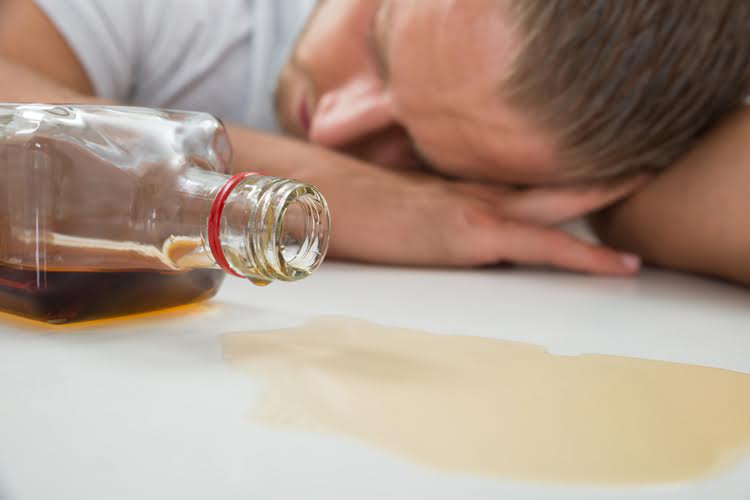
Drunkenness is an umbrella term encompassing physical and psychological symptoms attributed to alcohol consumption within a https://hoybraten.normisjon.no/strategies-to-overcome-shame-and-guilt-in/ period. When the speed at which alcohol is metabolized is faster than what the human body can consume, an individual develops drunkenness. What often begins as a few drinks with friends can lead to long-term alcohol dependence needing treatment and a host of dangerous consequences. Excessive alcohol use can lead to severe health problems and difficulties in every aspect of life. This is a zombie-like stage of intoxication, and there’s the chance of experiencing alcohol poisoning, coma, or death.
- Continuing to drink despite clear signs of significant impairments can result in an alcohol overdose, which is sometimes referred to as alcohol poisoning.
- This is why some people find that their speech and reactions are slower after drinking alcohol.
- In some cases, their body temperature may plummet, leading to hypothermia, which can cause organ failure.
- If you think someone is experiencing alcohol poisoning, seek emergency medical attention immediately.
- BAC and blood sugar levels can both be checked with a simple blood or urine test.
If you find yourself stuck in a pattern of binge drinking or recreational drug abuse, the earlier you seek effective treatment for recovery, the better. At 0.45 BAC or above, many people are unable to sustain essential life functions, and the risk of respiratory arrest and death occurring is almost certain. The intoxicated person has lost consciousness and is struggling to breathe properly. Their heart rate has likely slowed as well, and their body temperature is dropping dangerously stages of alcohol intoxication low.
Death can occur due to respiratory arrest, cardiac failure, or severe brain damage. Factors such as the amount of alcohol consumed, the rate of consumption, and individual tolerance levels play a significant role in determining the severity of outcomes. However, even individuals with a high tolerance are not immune to the dangers of this stage, as alcohol’s toxic effects are cumulative and can overwhelm the body suddenly. Prevention is key to avoiding the Stupor Phase, as this stage of intoxication is entirely preventable.